
Introduction
Packaging is far more than just a container — it is the first impression your product makes on a customer. The right packaging box protects your goods during shipping, enhances your brand image, and can even influence purchasing decisions. Whether you are a small business owner shipping handmade products or a large manufacturer moving thousands of units, understanding the fundamentals of packaging boxes is essential.
In this guide, we will walk you through the three major types of packaging boxes, the materials behind them, and how to choose the best option for your needs.
1. Corrugated Boxes
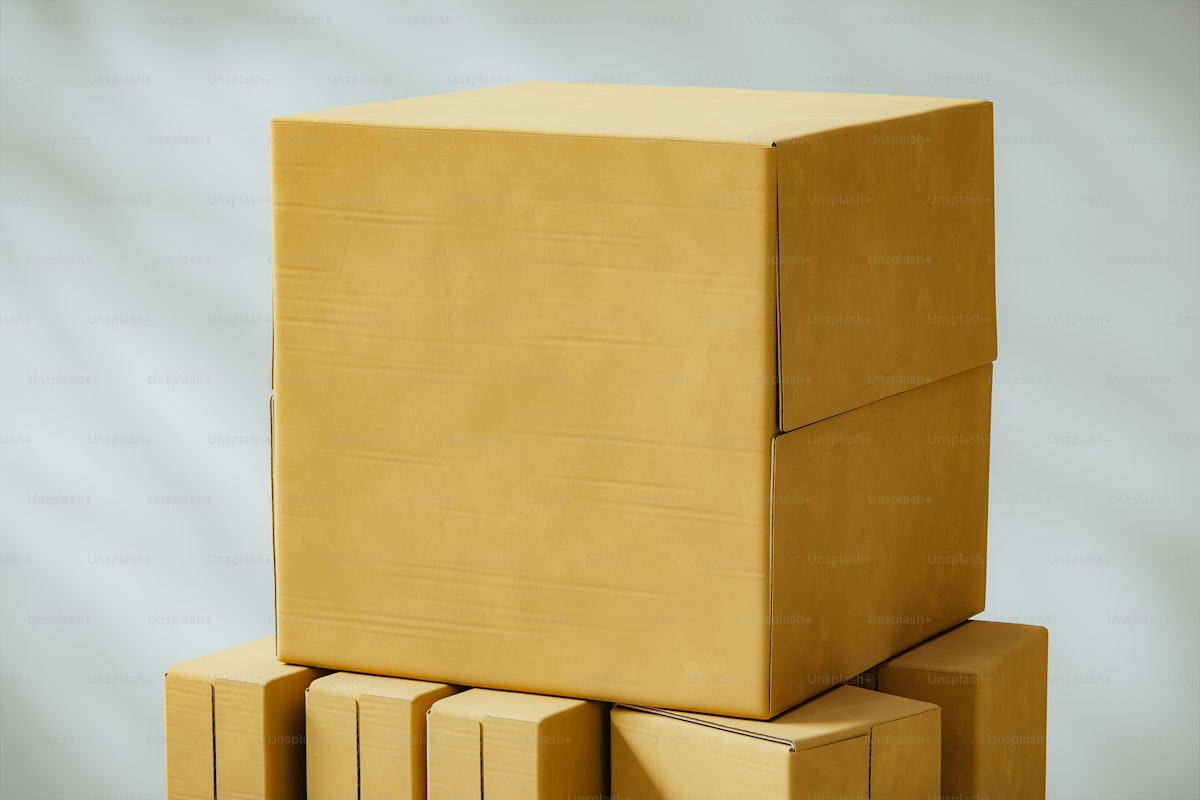
Corrugated boxes are the most widely used packaging solution in the world, and for good reason. They are the backbone of the shipping and logistics industry.

Structure
A corrugated box is made up of three layers:
- Two outer linerboards — flat sheets of kraft paper that form the outer walls
- One inner fluted medium — a wavy, arched layer sandwiched between the linerboards that provides strength and cushioning
This sandwich construction gives corrugated boxes an exceptional strength-to-weight ratio.
Common Flute Types
| Flute | Thickness | Best For |
|---|---|---|
| A-Flute | ~5mm | Fragile items, extra cushioning |
| B-Flute | ~3mm | Canned goods, retail displays |
| C-Flute | ~4mm | General shipping (most common) |
| E-Flute | ~1.5mm | Retail packaging, fine printing |
| F-Flute | ~0.8mm | Lightweight consumer goods |
Best For
Shipping, e-commerce fulfillment, heavy or fragile products, bulk storage.
2. Rigid Boxes
Rigid boxes — also known as set-up boxes — are the premium choice in the packaging world. Think of an iPhone box or a luxury watch case; that is a rigid box.

Structure
Rigid boxes are made from thick chipboard (typically 2-3mm), which is then wrapped with specialty paper, fabric, or leather. Unlike folding cartons, they do not collapse — they maintain their shape permanently.
Characteristics
- Premium feel — heavy, sturdy, and luxurious to the touch
- Highly customizable — supports embossing, foil stamping, magnetic closures, ribbon pulls, and more
- Excellent protection — the thick walls safeguard delicate items
- Higher cost — more expensive to produce, especially in smaller runs
Best For
Luxury goods, electronics, cosmetics, jewelry, premium gifts.
3. Folding Cartons
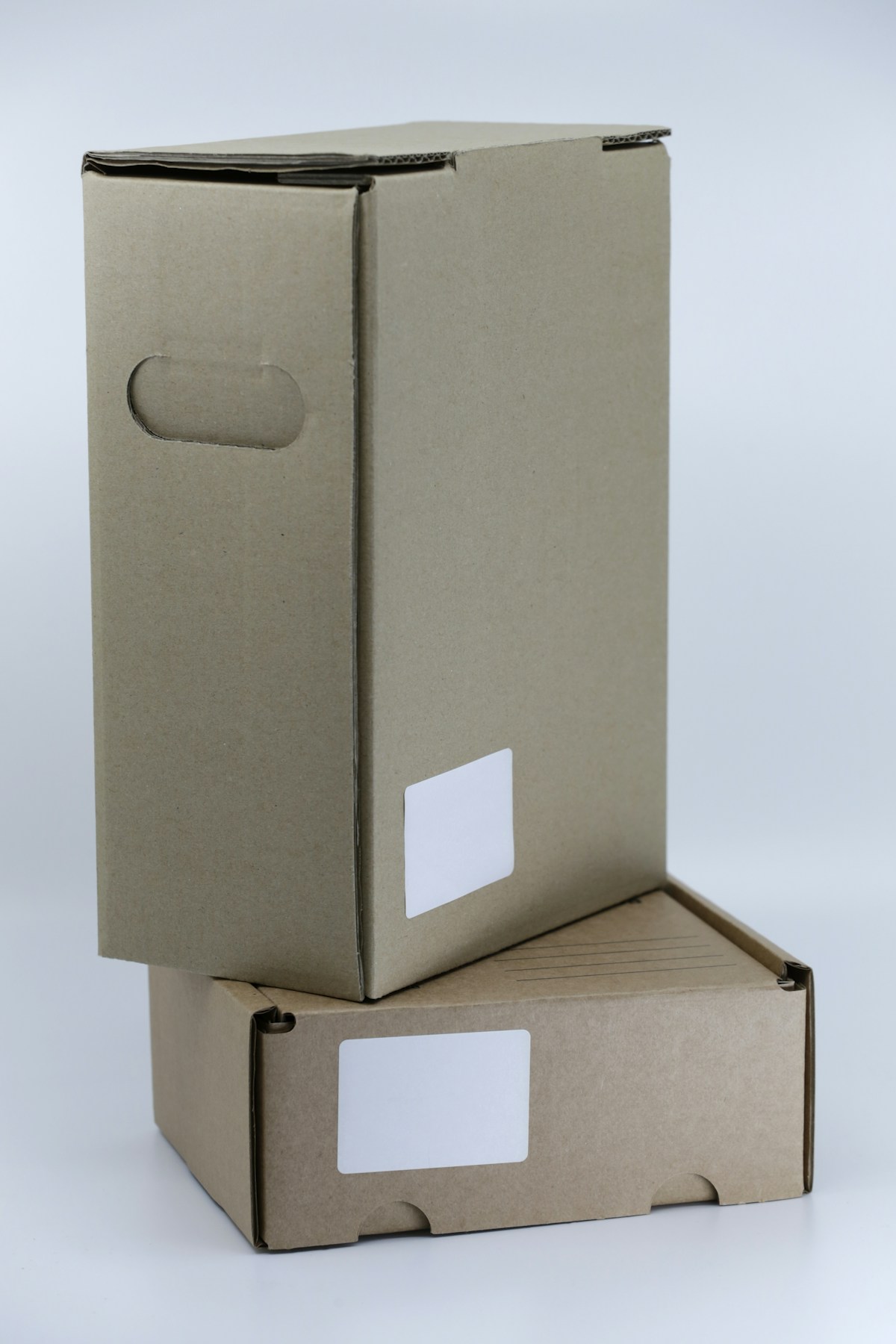
Folding cartons are the everyday heroes of retail packaging. Walk into any grocery store or pharmacy and you will see them everywhere — cereal boxes, medicine packaging, cosmetic boxes, and more.
Structure
Made from a single sheet of paperboard (typically 0.3-0.8mm thick), folding cartons are die-cut, printed, and shipped flat, then folded and assembled at the point of filling.
Characteristics
- Cost-effective — low material and shipping costs, especially at scale
- Fast production — shortest lead times among all box types
- Great printability — smooth surfaces ideal for high-quality graphics
- Lightweight — reduces shipping costs
Best For
Food products, pharmaceuticals, cosmetics, consumer electronics accessories.
Comparison at a Glance
| Feature | Corrugated Box | Rigid Box | Folding Carton |
|---|---|---|---|
| Strength | High | Very High | Moderate |
| Cost | Low-Medium | High | Low |
| Premium Feel | Low | Very High | Medium |
| Printability | Moderate | High | Very High |
| Ships Flat | Yes | No | Yes |
| Eco-Friendly | Yes (recyclable) | Moderate | Yes (recyclable) |
Sustainability in Packaging
As environmental awareness grows, sustainable packaging has become a key priority for businesses worldwide. Here are some trends shaping the future:
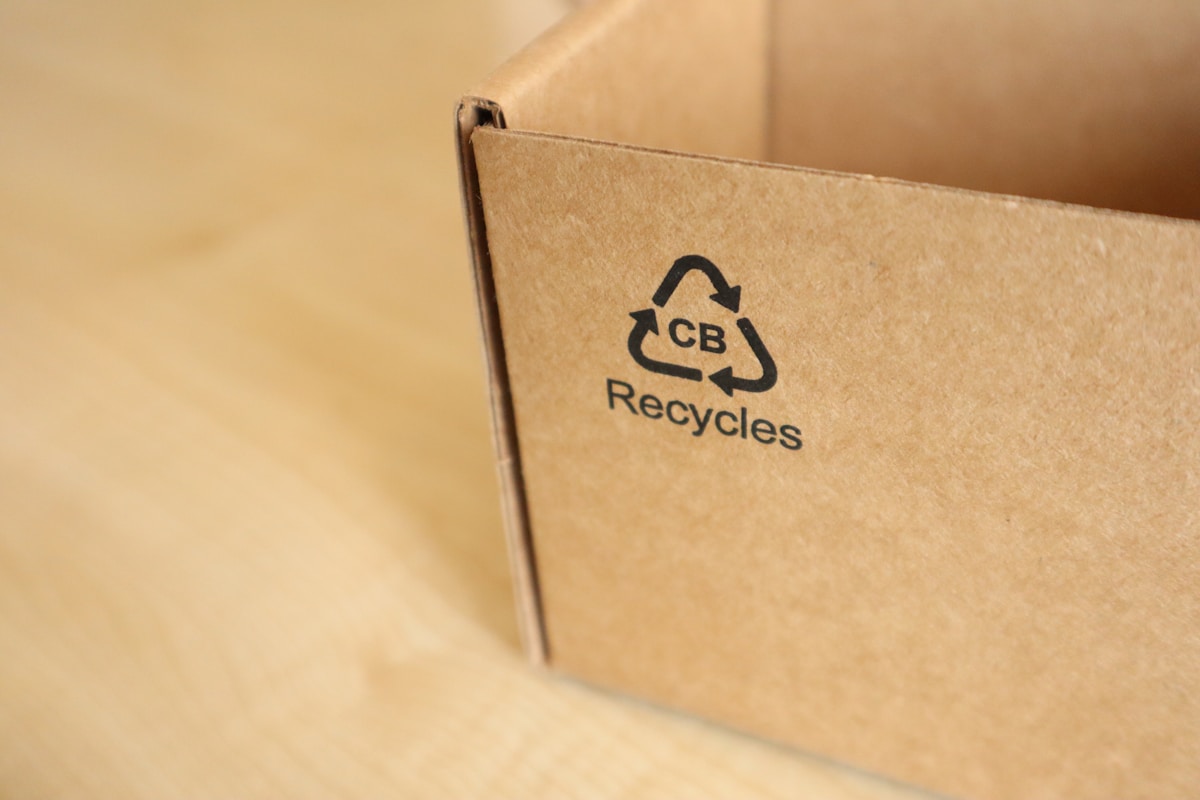
- Recyclable materials — Corrugated and folding cartons are among the most recycled materials globally
- Soy-based inks — replacing petroleum-based inks for greener printing
- Minimalist design — using less material without compromising protection
- FSC-certified paper — ensuring raw materials come from responsibly managed forests
- Biodegradable coatings — replacing plastic lamination with water-based or compostable alternatives
How to Choose the Right Packaging Box
When selecting a packaging box, consider these key factors:
- Product weight and fragility — heavier or delicate items need corrugated or rigid boxes
- Brand positioning — premium products deserve rigid boxes; everyday items work great in folding cartons
- Budget — folding cartons and corrugated boxes offer the best value at scale
- Shipping requirements — corrugated boxes are the standard for long-distance shipping
- Sustainability goals — opt for recyclable, FSC-certified, or biodegradable options
- Customization needs — consider printing, finishing (matte/gloss), embossing, and special closures
Conclusion
Understanding the different types of packaging boxes and their materials is the foundation of making smart packaging decisions. Whether you need the rugged durability of corrugated boxes for shipping, the premium appeal of rigid boxes for luxury branding, or the cost-effective versatility of folding cartons for retail shelves — there is a perfect box for every product.
The key is to balance protection, presentation, cost, and sustainability to find the solution that works best for your business and your customers.
Have questions about packaging? Contact us at Shenzhen Fushen Packaging — we are here to help you find the perfect packaging solution for your products.